 The main source of natural light on Earth is the Sun. Historically, another important source of light for humans has been fire, from ancient campfires to modern kerosene lamps. With the development of electric lights and power systems, electric lighting has effectively replaced firelight.
 But what exactly is light? We catch glimpses of its nature when a sunbeam angles through a dust-filled room, when a rainbow appears after a storm or when a drinking straw in a glass of water looks disjointed.
 The study of light and its interaction with matter is termed optics. The observation and study of optical phenomena such as rainbows and the aurora borealis offer many clues about the nature of light as well as much enjoyment.
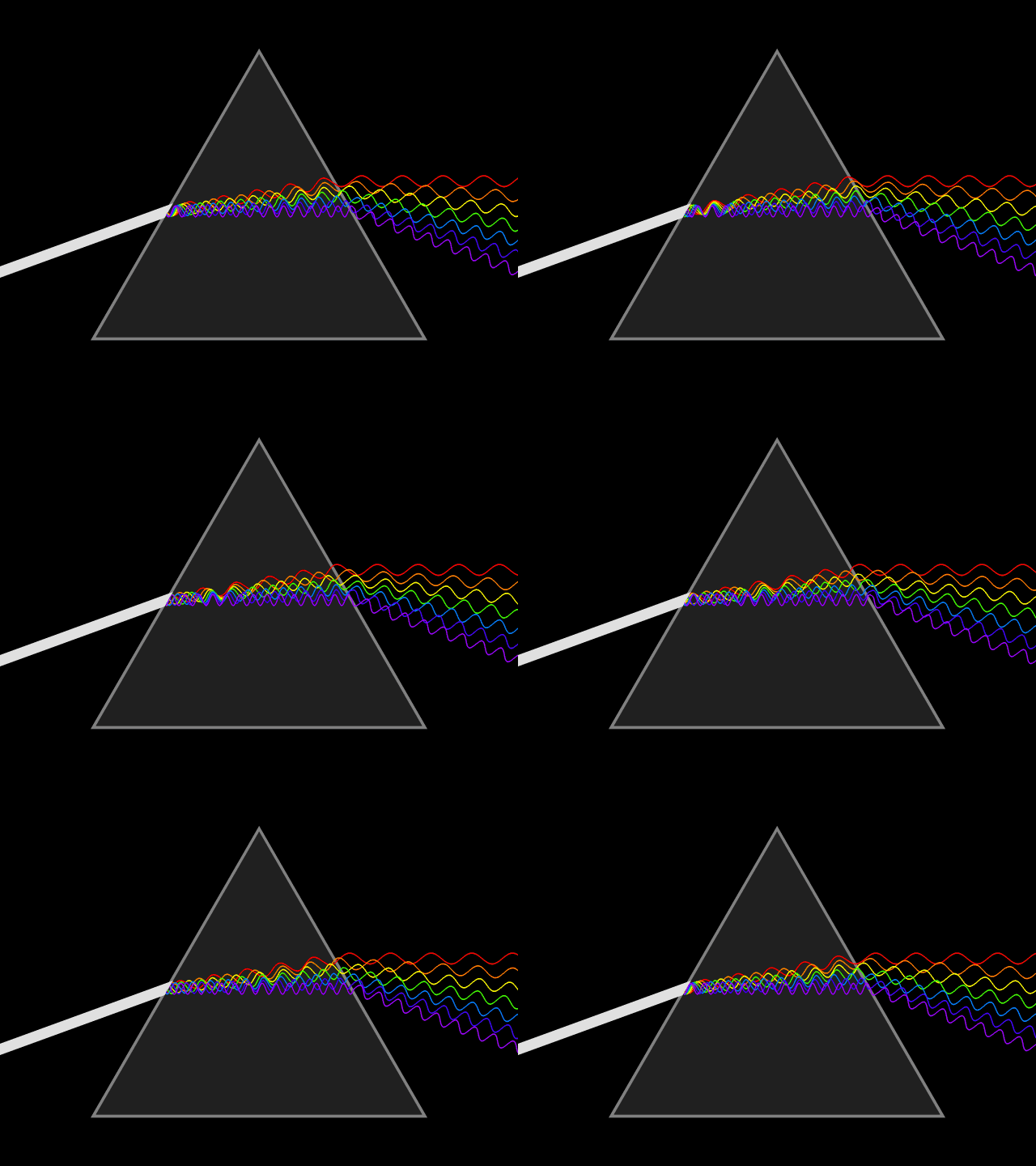
 When light hits a transparent object, it passes through it almost completely without making a significant shadow. Light is a form of electromagnetic radiation that shows properties of both waves and particles.